
Swift microwave therapy for verrucae and warts on the feet and hands, at our clinic in Radlett. A short, low-dose treatment that helps your own immune system clear the virus, with no dressings and no downtime.
Is Swift right for you?
Swift is our preferred treatment for verrucae and warts. While it is highly effective for many people, it is not right for everyone, and we go through all your options at your first appointment. The treatment is briefly painful during delivery, but there is usually little pain afterwards, no need to keep the area dry, and no dressings are required. It is ideal if you:
- Swim regularly: there is no need to keep the area dry after treatment
- Shower or bathe daily: unlike acids, there is no waterproof dressing
- Are active or on your feet all day: no disruption to walking or footwear
- Have a busy schedule: usually only three short appointments, a month apart
- Are treating a child or teenager: there is no aftercare for parents to manage
- Are going on holiday (allow a week before travel to be safe): there are no wounds or dressing changes
- Need minimal downtime: treatment is quick, clean and completed in clinic
- Do yoga or go to the gym: there is no restriction on movement, socks or mats
- Cannot manage lots of visits: most patients need around three treatments
What to expect
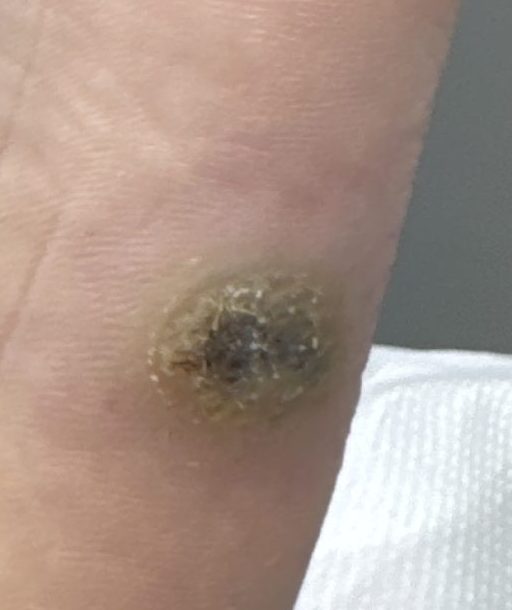
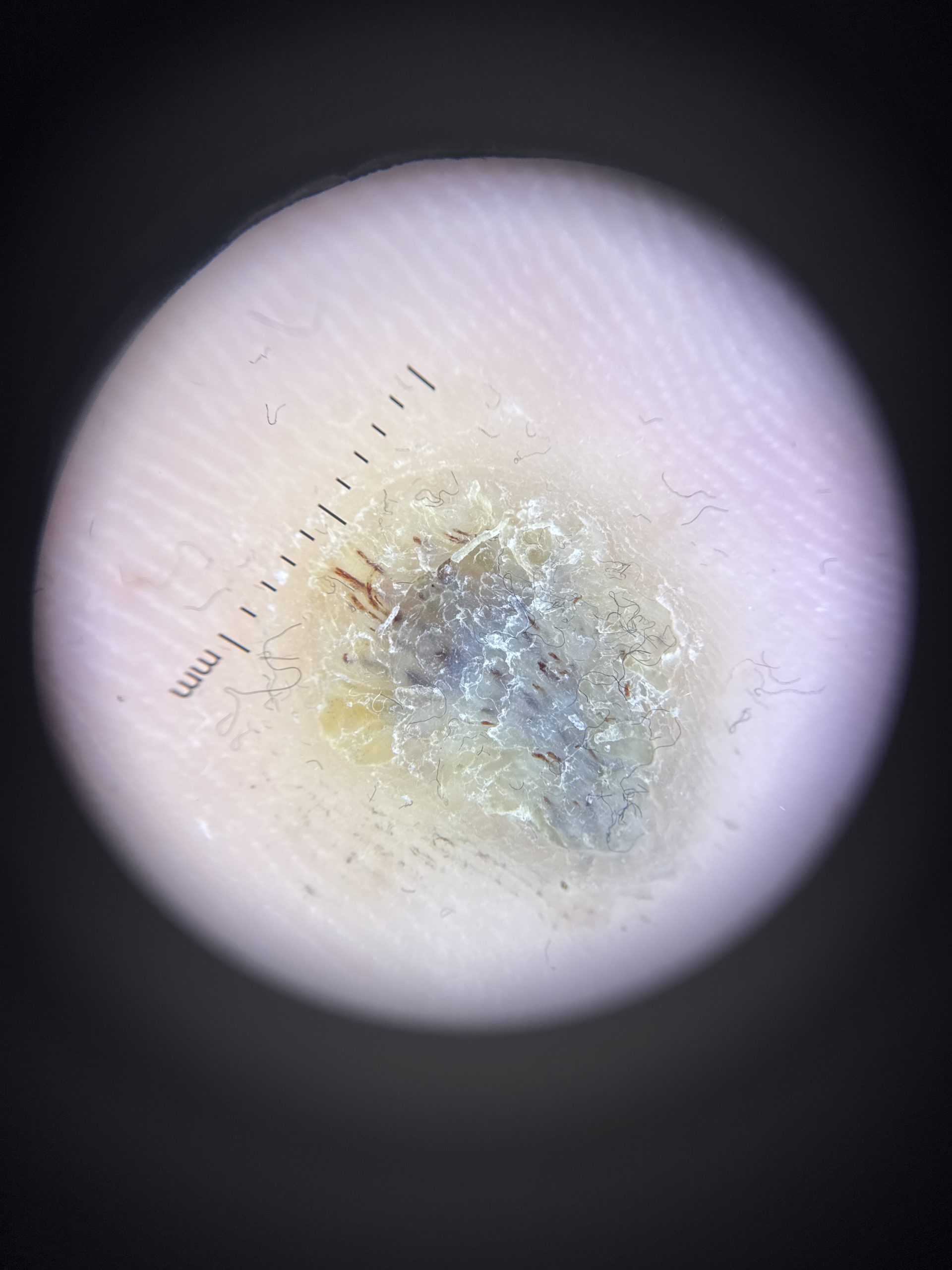
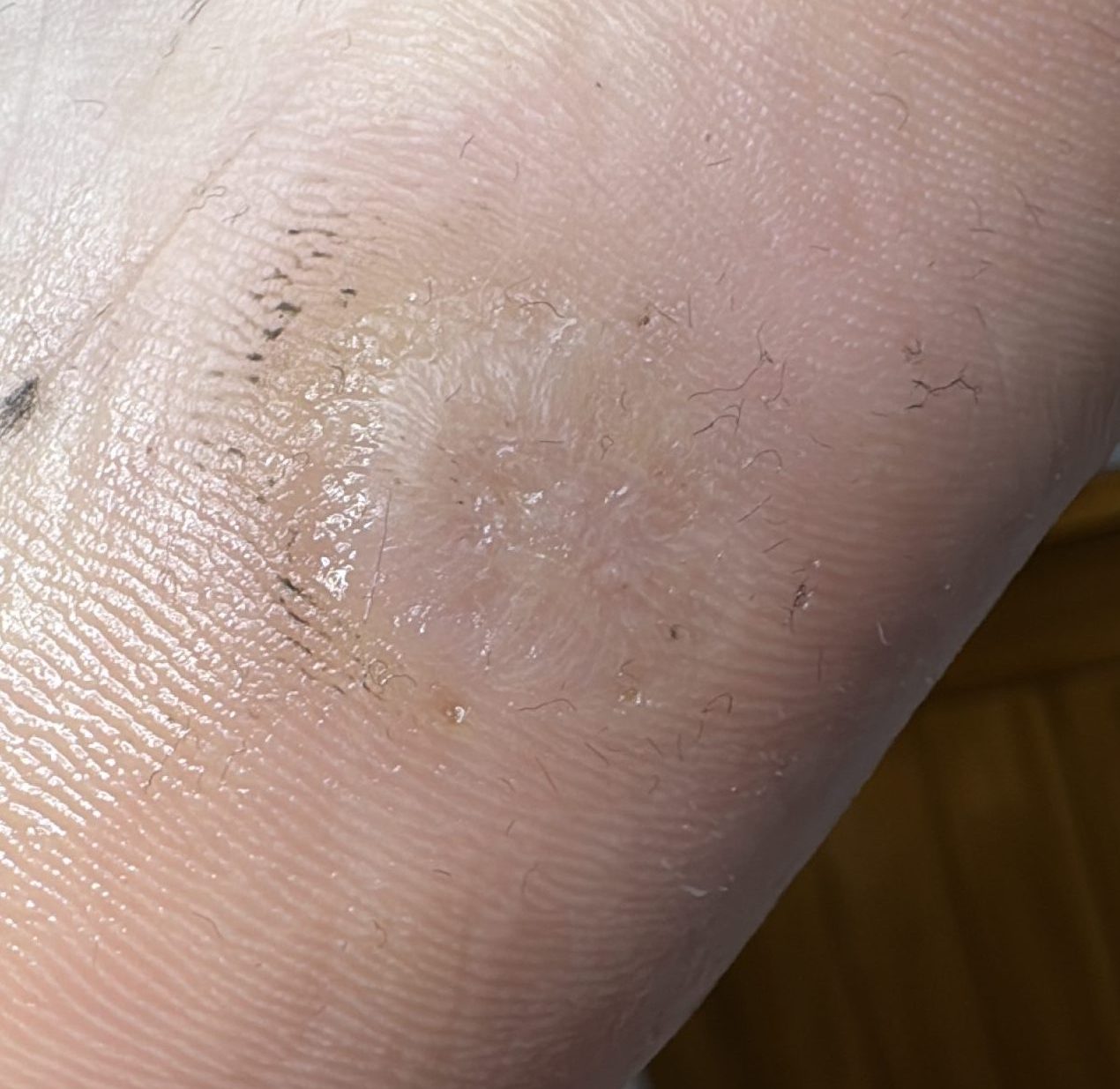
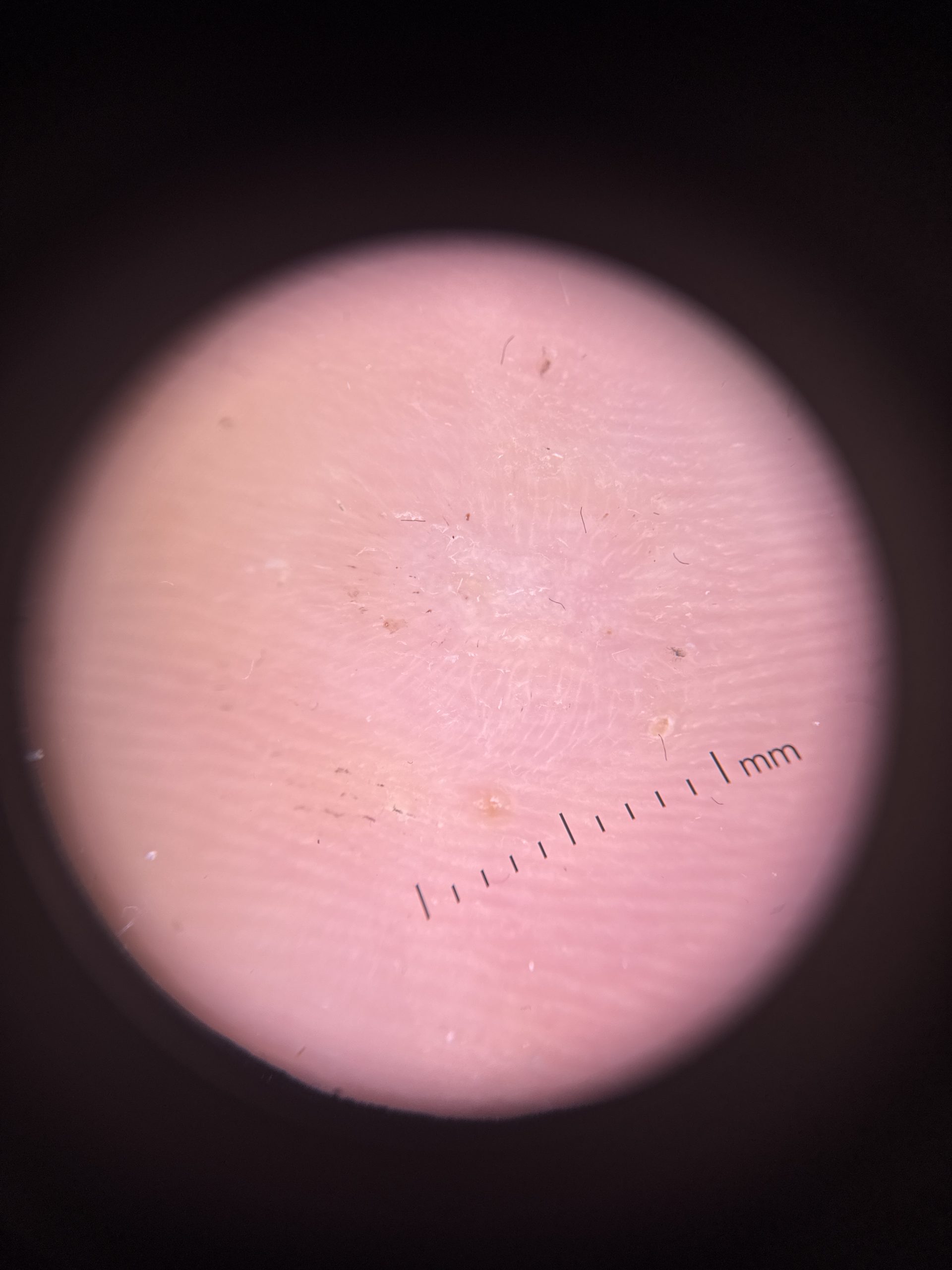
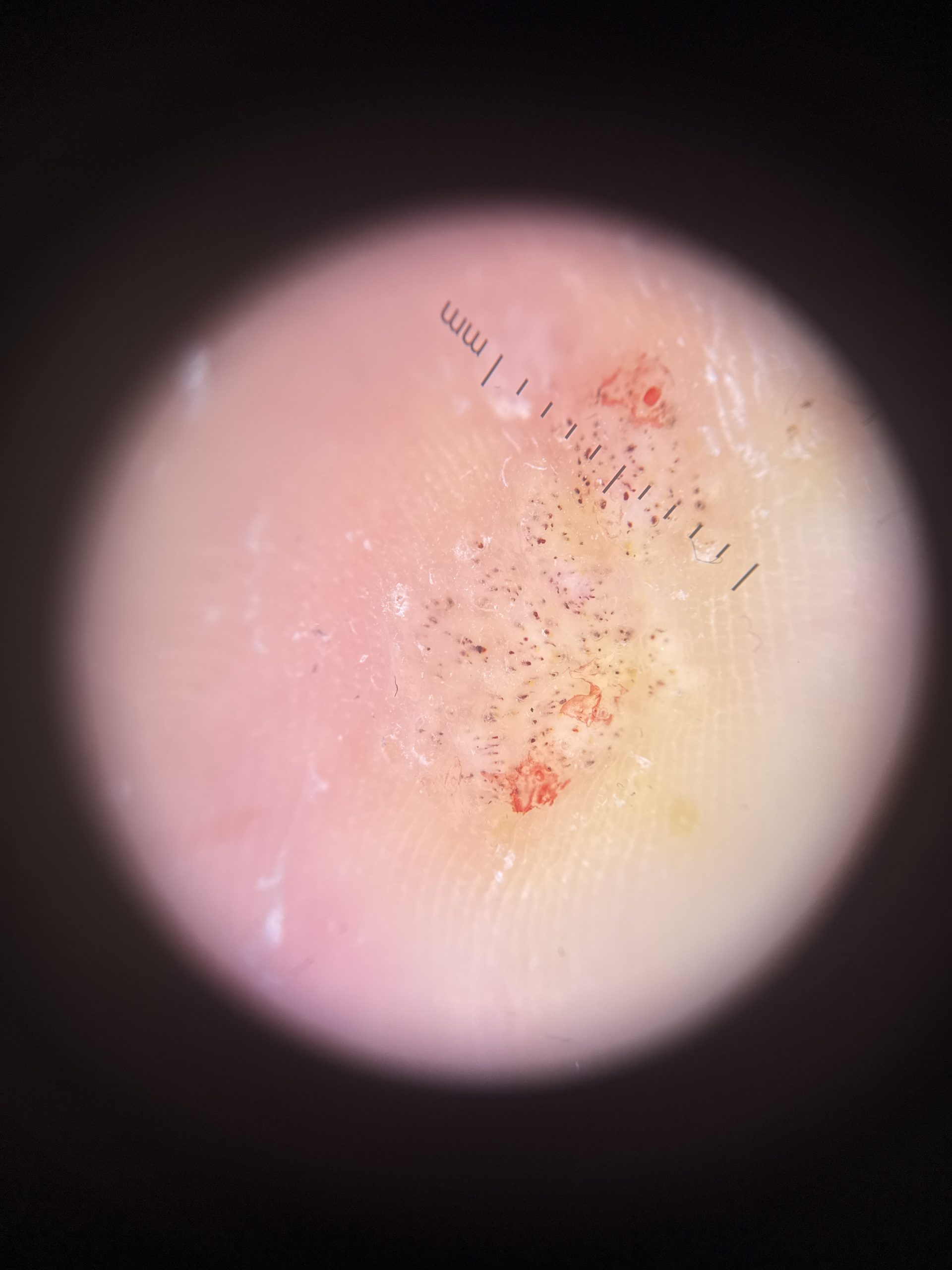
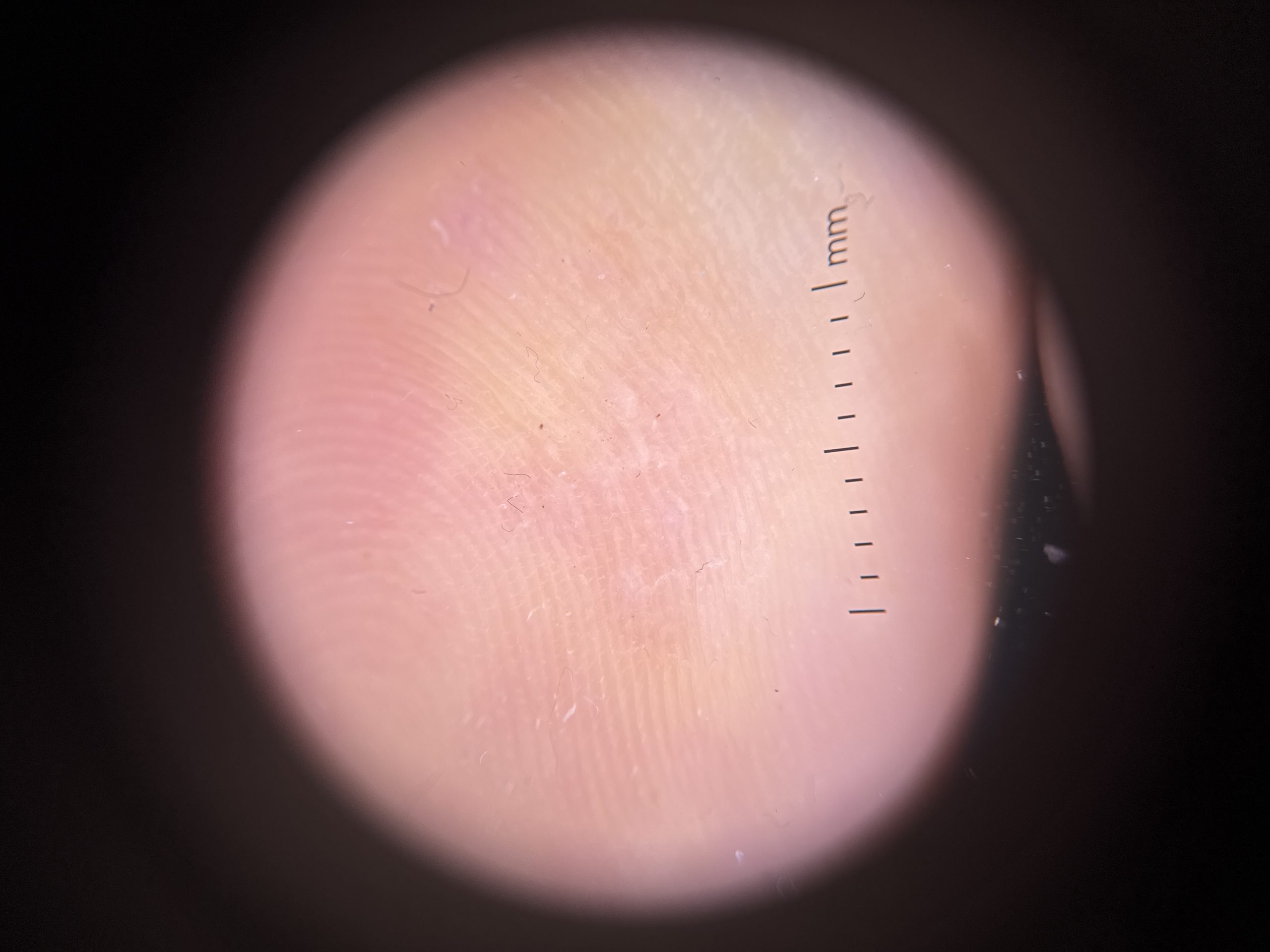
- Your first appointment lasts 30 minutes. We take photos of your verruca and, in many cases, use a dermatoscope to take a magnified, polarised, dermatology-quality photo. We then reduce (debride) the hard skin, and then treat.
- The treatment. A small handheld probe delivers microwave energy. Each area (approximately 5 mm) receives five 2-second applications, so the total delivery time is usually under 35 seconds per area. It will sting at some point, like a wasp sting, but the discomfort stops as soon as the probe is lifted.
- Further treatments. Treatments are 3–4 weeks apart, usually three in total.
- Review and wait. Most patients find their verruca resolves within the three treatments and waiting around three months. When we know it is a difficult case, we may schedule a fourth treatment anyway, or wait up to six months before adding any more. If the verruca does not hurt, there is no rush, and the photos help us see what is happening up close. A verruca may not look as if it is responding until the hard skin has been removed.
How does Swift work?
A verruca is caused by the Human Papilloma Virus (HPV), which stays in the upper layers of the skin and releases proteins that suppress the local immune response. In simple terms, the virus hides in plain sight. Acids, creams and freezing treatments destroy surface tissue, but leave the virus protected underneath.
Swift works differently. A small handheld probe delivers a precise dose of microwave energy that warms the verruca to around 45–50°C: hot enough to trigger a biological response, but not hot enough to burn or break the skin. Your immune system then takes over and gradually clears the infection over the following weeks. The verruca may shrink, darken, peel away, or resolve as healthy skin replaces it.
The science in more detail
To understand why Swift is so effective, it helps to understand why verrucae are difficult to treat in the first place.
A verruca is caused by the Human Papilloma Virus (HPV). Unlike many infections, HPV does not circulate in the bloodstream. Instead, it remains confined to the upper layers of the skin. Crucially, it releases proteins that suppress the local immune response. In simple terms, the virus hides in plain sight.
This is why many traditional treatments fail. Acids, creams and freezing treatments focus on destroying surface tissue, but the virus itself remains protected underneath. The immune system continues to ignore it, allowing the verruca to persist for months or even years.
Swift works differently. Rather than trying to destroy the verruca from the outside, it stimulates the immune response itself.
During treatment, your podiatrist applies a small handheld probe directly to the verruca. The probe delivers a precise dose of microwave energy into the affected tissue. This energy penetrates only a few millimetres and does not damage surrounding skin.
Microwave energy is absorbed by water molecules within the tissue. As these molecules vibrate, heat is generated from within the verruca itself. The tissue is rapidly heated to around 45–50°C — hot enough to trigger a biological response, but not hot enough to burn or break the skin.
At this temperature, cells release a signal known as Heat Shock Protein 70. This acts as an immune alarm, alerting the body to the presence of HPV.
Each treatment consists of five short applications, each lasting just two seconds, with brief pauses in between. Most patients describe the sensation as a sharp, intense heat — similar to a quick sting. Importantly, the discomfort stops immediately once the probe is lifted.
Because the skin is not broken, there is no wound, no dressing, and usually no aftercare needed. You can leave the clinic and return immediately to normal activities, including work, school, sport, gym and swimming.
Over the following weeks, your immune system takes over. Immune cells migrate to the area, recognise the virus, and gradually clear the infection. The verruca may shrink, darken, peel away, or resolve as healthy skin replaces it.
Swift does not remove the verruca directly — it enables your body to do what it was previously unable to do. This immune-led approach is why Swift is particularly effective for stubborn verrucae that have not responded to other treatments.

Results
Before and after photos from our own patients treated with Swift. Tap a photo to see it larger. Results vary, and we cannot guarantee an outcome.
Case 1
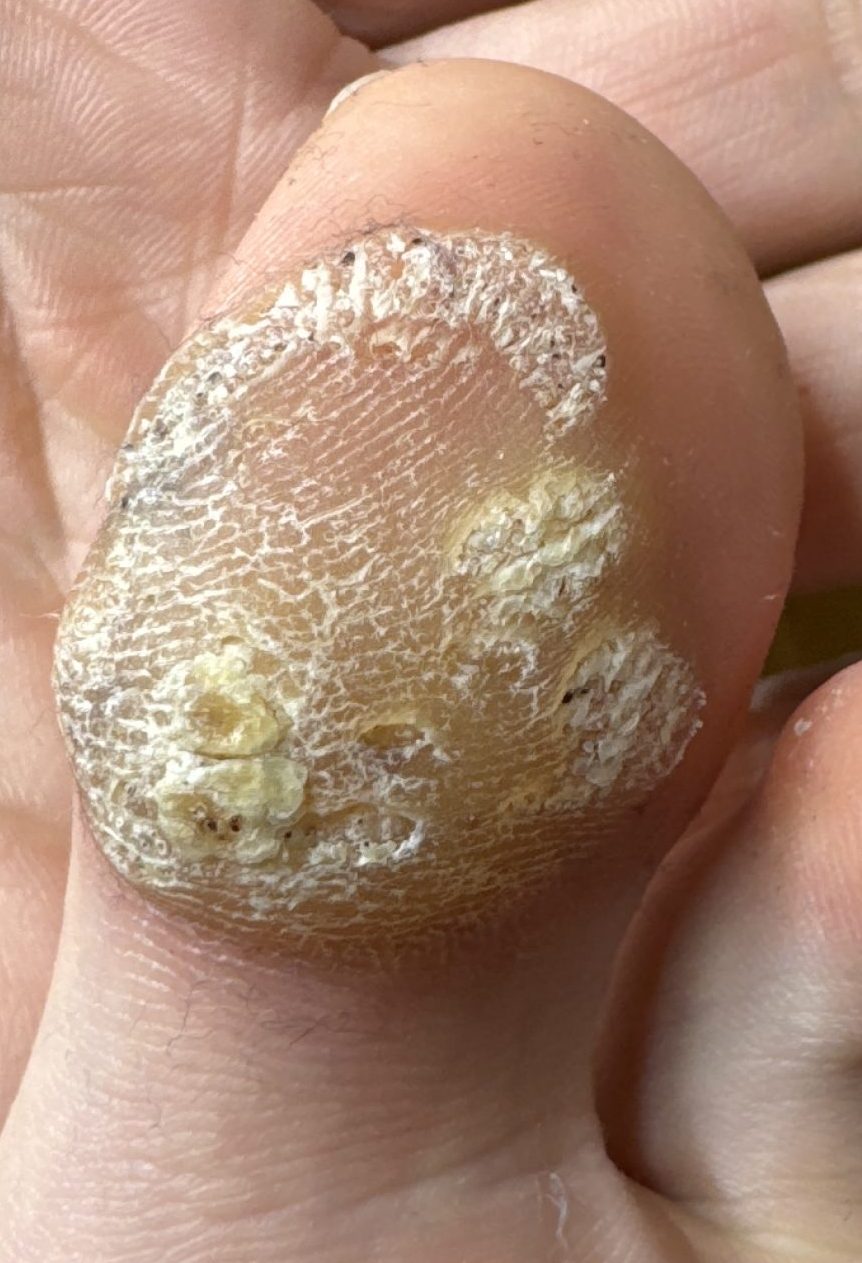
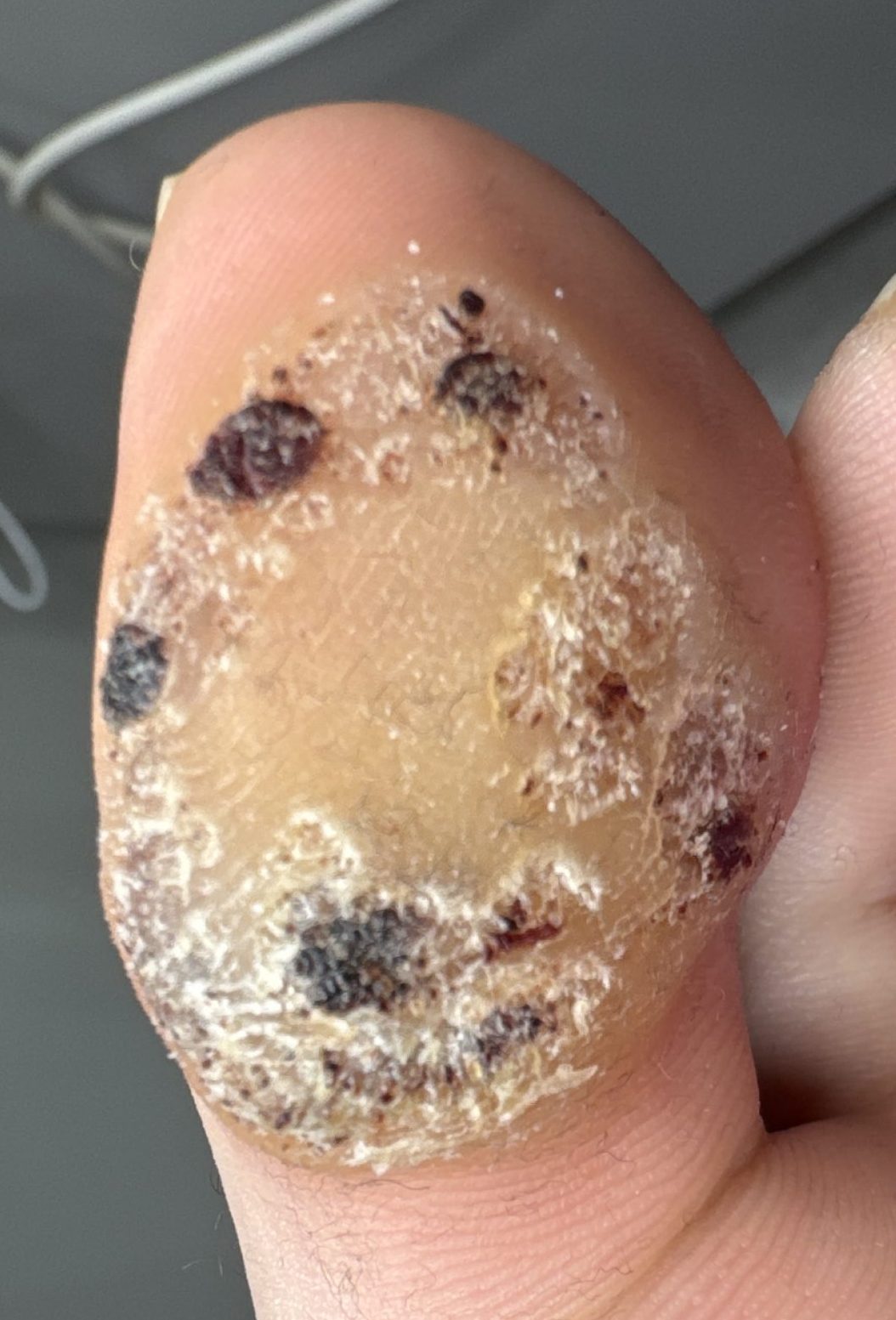
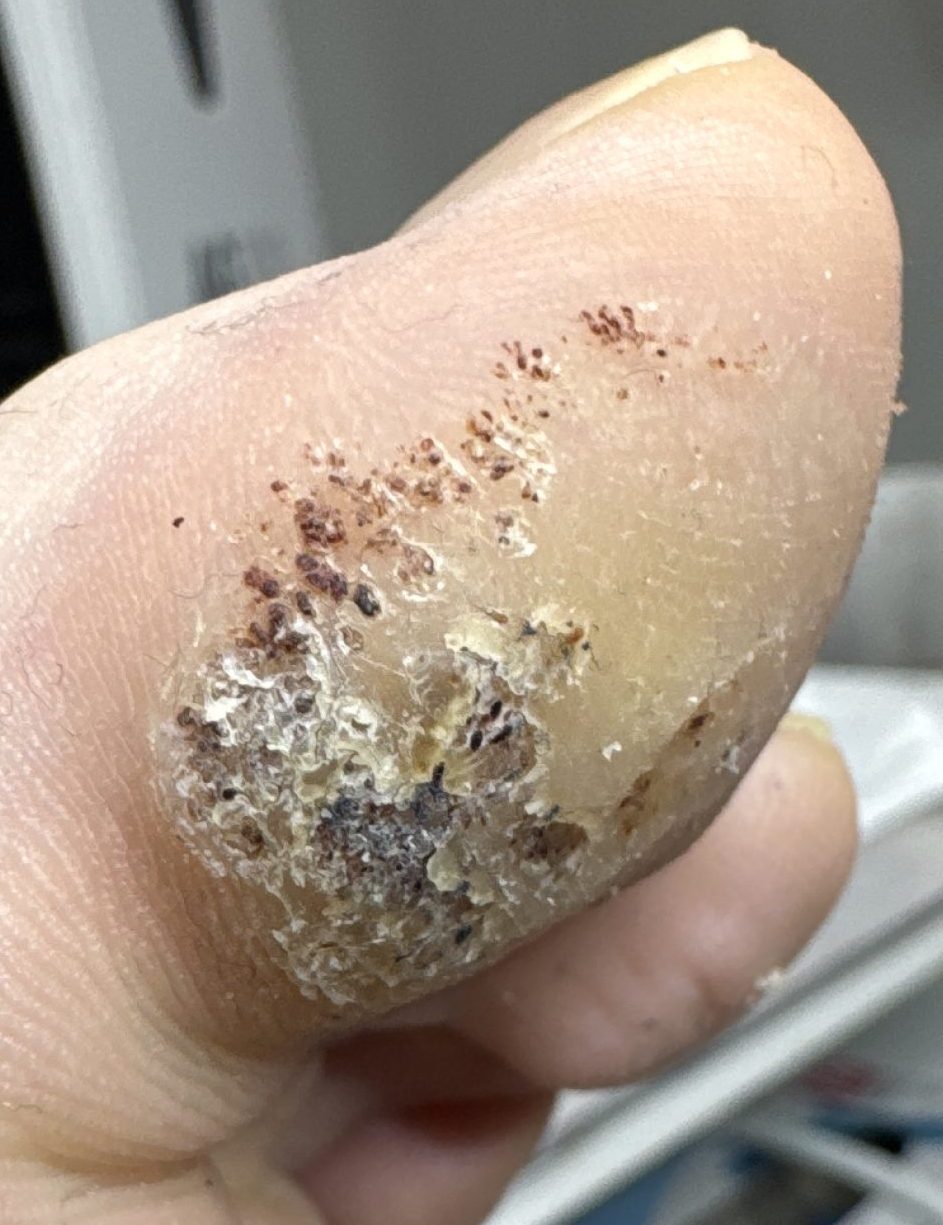
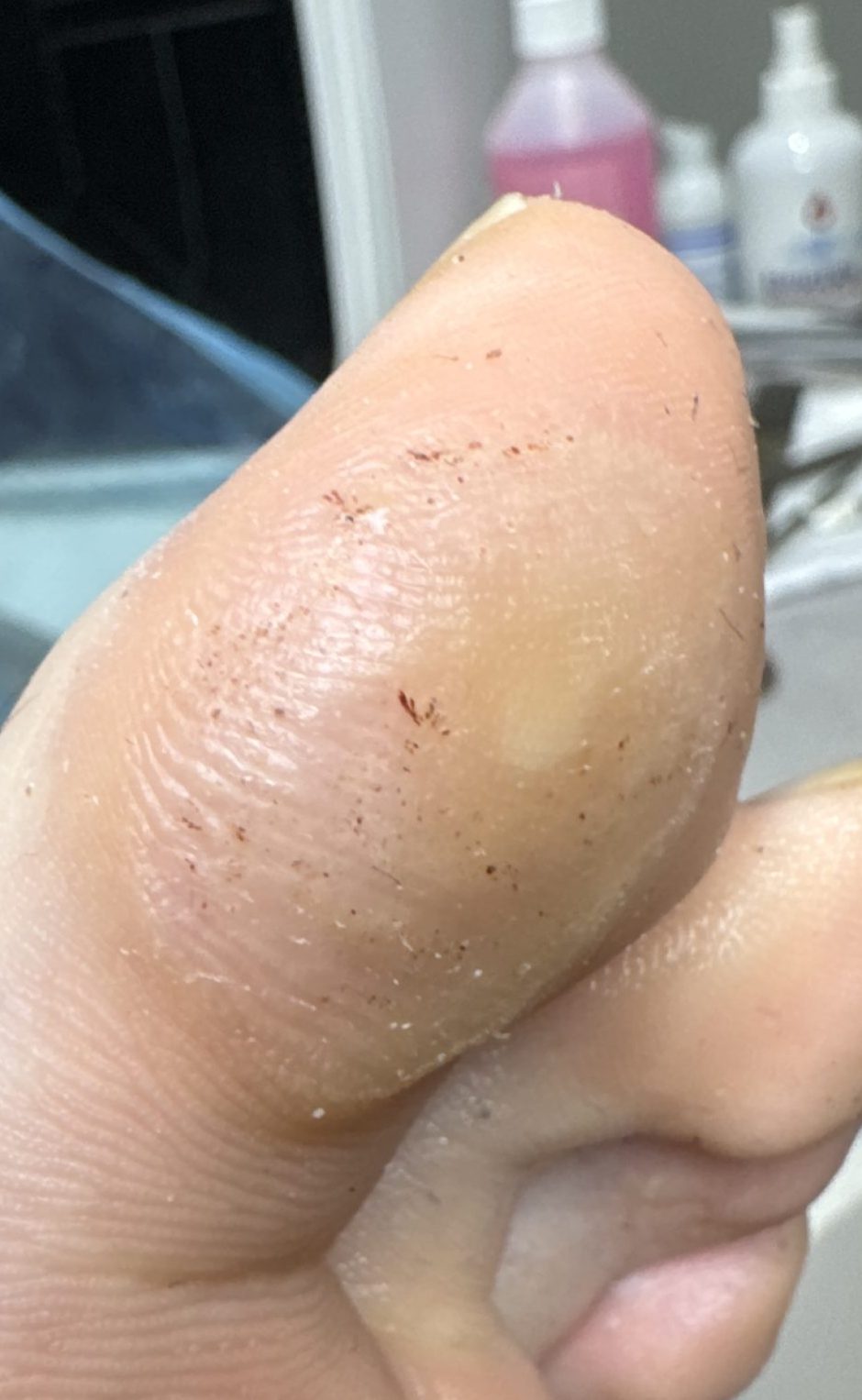
It may not look as if it is responding, but once the hard skin is removed, it often is.
We also take magnified dermatoscope images, so we can really see how a verruca is changing. There are more photos further down the page.
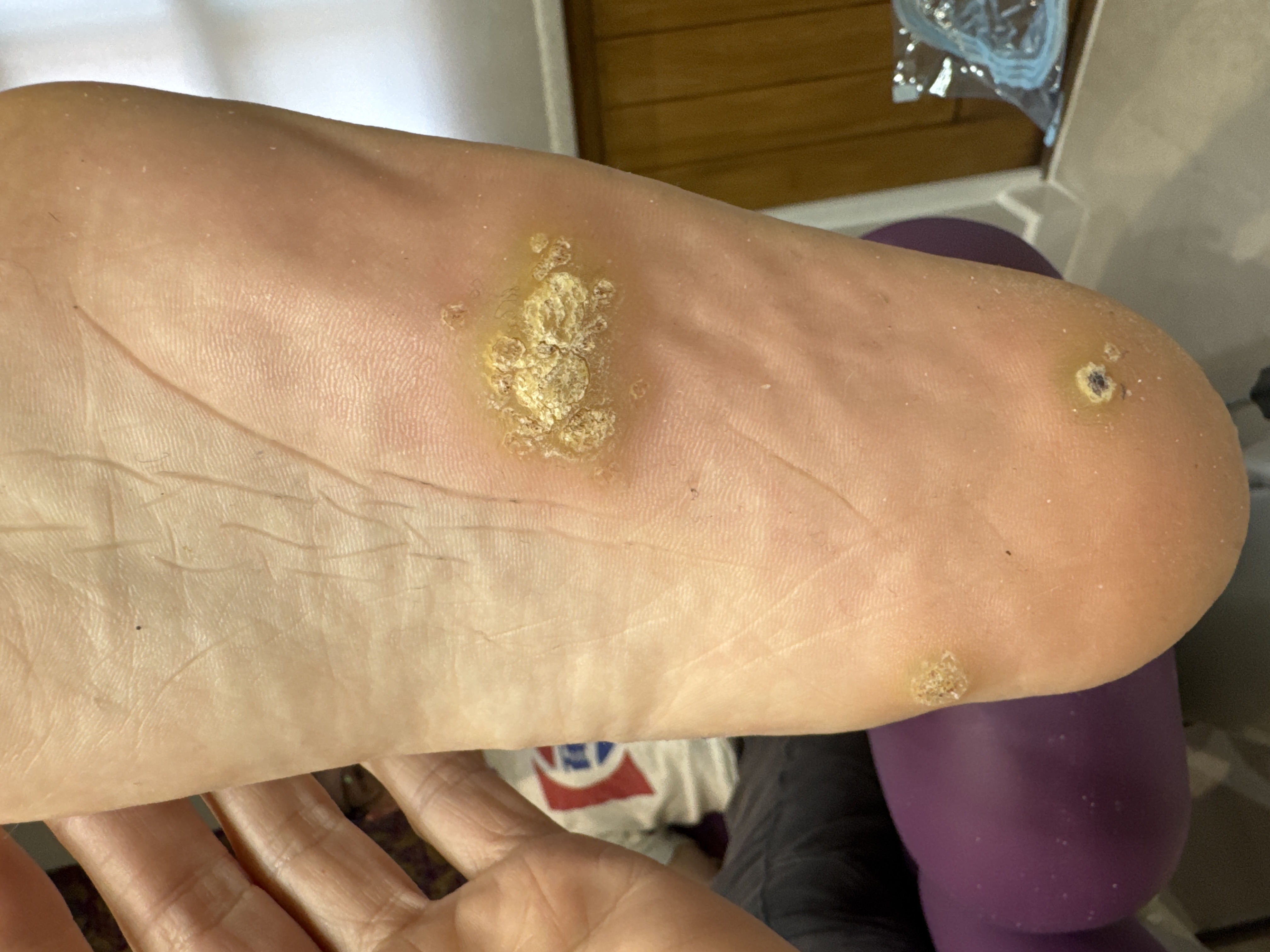
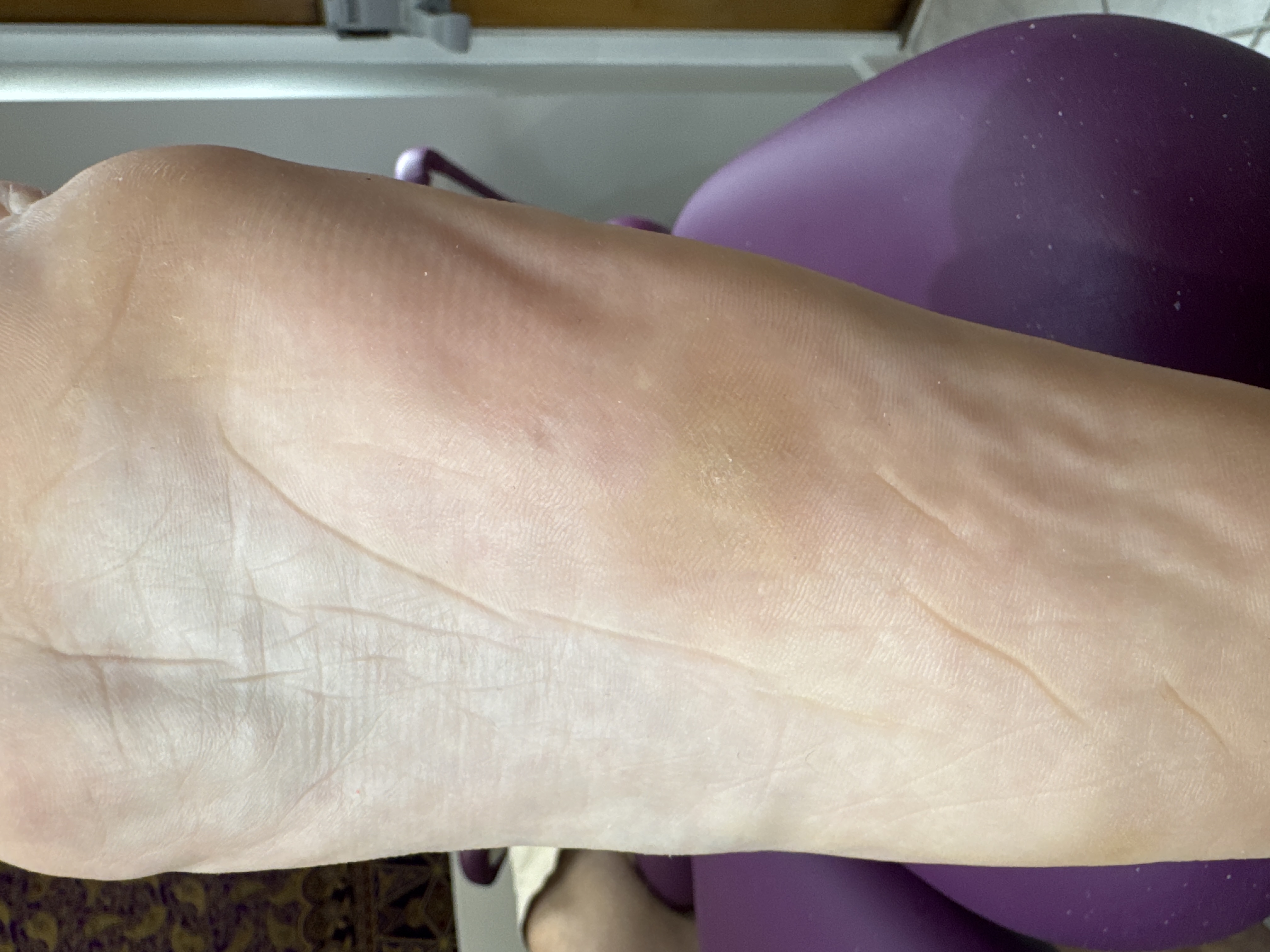
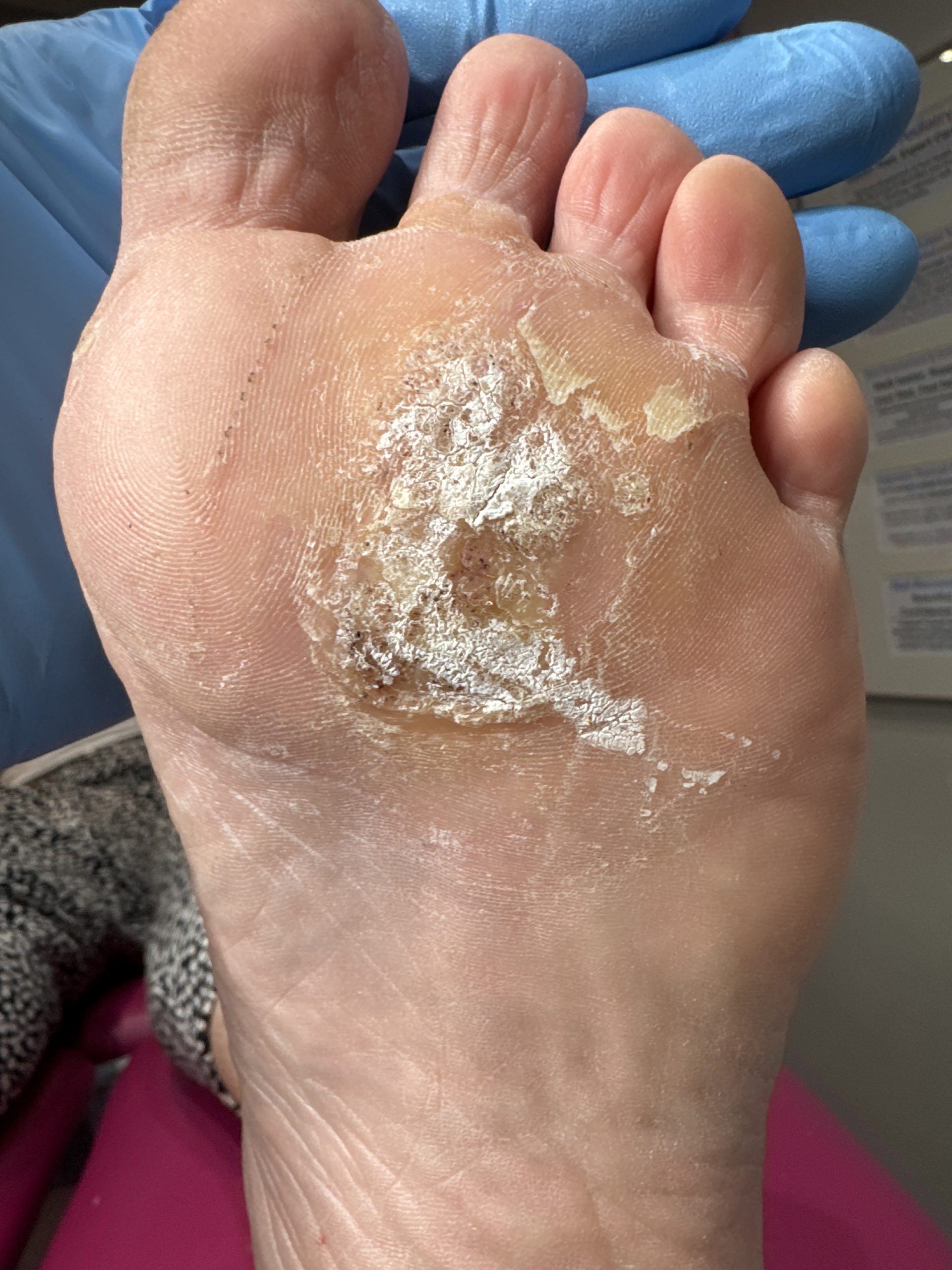
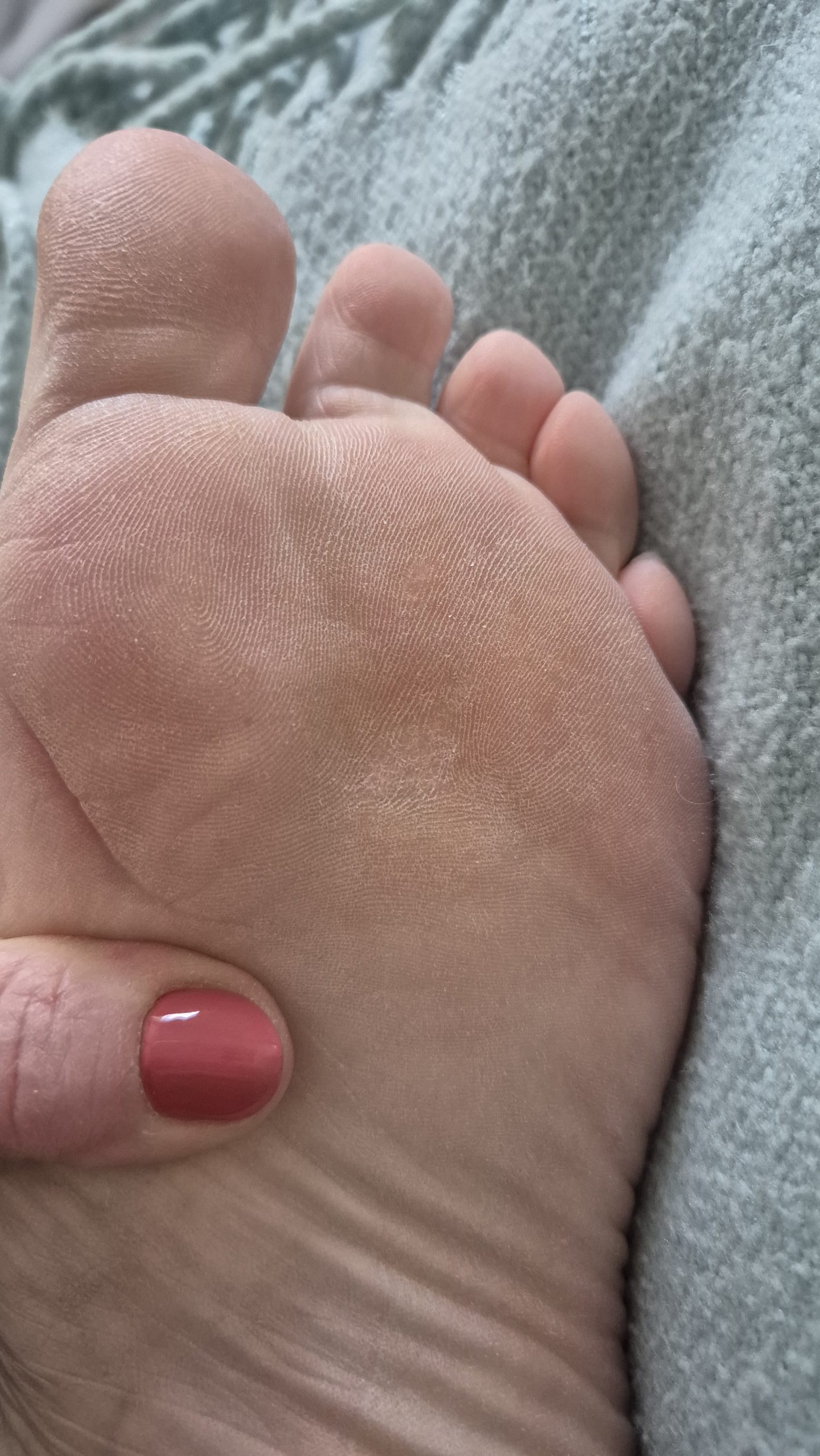
The manufacturer reports that in an independent UK clinical study of stubborn verrucae, 76% of patients saw complete resolution, in an average of three treatments. Source: Emblation, the makers of Swift. Results vary from person to person.
What does the research say?
Swift has been studied in published clinical papers, mostly in people whose verrucae had not responded to other treatments. These are the studies we have checked. Open any heading to read more.
Results in clinical practice
- A review of records from a podiatry clinic in New Zealand covered 45 patients with 150 plantar warts. Most had tried other treatments that had not worked, including salicylic acid and cryotherapy. After an average of 2.8 sessions, 83.3% of the warts (125 of 150) had resolved. Patients felt discomfort during treatment, but pain had returned to baseline by the time they left the appointment. Hagon et al., Journal of Foot and Ankle Research, 2023.
- A review of 85 consecutive patients at a US podiatry centre found that 60% (51 of 85) were clear after an average of 2.3 sessions. Among the 59 people who completed their course of treatment, 86.4% were clear, and 71% of those who completed three sessions were clear. Wart-related pain fell significantly in all patients, and the authors concluded that microwave treatment appears safe and effective. Gupta et al., Journal of Cosmetic Dermatology, 2023.
The original pilot study
A pilot study of 32 people with 52 stubborn (recalcitrant) viral warts found that 75.9% of the warts cleared. Laboratory work in the same paper found that the microwave energy caused immune cells to present the virus to the body’s T cells, with minimal inflammation of the tissue. This supports the idea that Swift works by prompting your own immune response. Bristow et al., European Journal of Dermatology, 2017.
The randomised controlled trial
A randomised, placebo-controlled trial in a dermatology practice in Lübeck, Germany, included 32 adults with long-standing, treatment-resistant plantar warts. Half received Swift and half received a sham treatment with a ruby laser, every four weeks for three treatments, with a further three months of follow-up. Six people dropped out, leaving 28 to analyse. Complete clearance was 27.3% with Swift (3 of 11) and 0% with sham (p = 0.032). Partial clearance was 54.5% with Swift and 13.3% with sham. The authors concluded that microwave therapy was superior to placebo, but noted that clearance was lower than in earlier uncontrolled studies and that pain during treatment (average score 5.44) and the cost of consumables are challenges. They called for larger studies. Haase et al., Archives of Dermatological Research, 2025.
How this compares with other treatments
No trial has tested Swift head to head against cryotherapy or salicylic acid, so we cannot give you a fair comparison. For context, a systematic review of 44 studies of plantar wart treatments found average cure rates of about 46% for cryotherapy, 14% for salicylic acid, 79% for laser, 83% for intralesional bleomycin and 68% for intralesional immunotherapy, and concluded that cryotherapy and salicylic acid, the usual first choices, have low cure rates for plantar warts. These averages come from studies of very different designs and patients, so they should not be set directly against the Swift figures above. García-Oreja et al., Dermatologic Therapy, 2021.
An honest note: apart from the one randomised trial, these studies looked back at patient records or followed patients without a comparison group. The randomised trial was small, and its clearance rate was lower than the uncontrolled studies. Success rates differ between studies because they count patients and individual warts in different ways. Results vary from person to person and we cannot guarantee an outcome.
How much does it cost?
| First appointment: assessment (plus £70 extra if Swift treatment is carried out the same day) | £80, or £150 with treatment |
| Second and third Swift treatments | £150 |
| Further Swift treatments (after three) | £120 |
| First appointment where no treatment is undertaken | £80 |
| Swift appointment where no treatment is undertaken (for example, the verruca has gone, or we only reduce the hard skin and wait) | £55 |
| Check-up or scab removal: a short appointment to check progress and remove hard skin or scab while you wait between treatments | £40 |
| Extra probe (see below) | £30 |
You pay as you go, when you receive treatment. We do not charge as a package, which keeps your treatment responsive to your needs and how you respond, and we do not charge a consultation fee on top of your first treatment.
Probes: if we need to spend more than 15 minutes, we use a different probe, which costs £30. In a few cases a lower-energy probe may be used for some areas, which is also £30 extra. Most patients need only one probe.
Book your first appointment ↓Book a follow-up Swift treatment ↓Book a check-up or scab removal (£40) ↓
Is Swift suitable for me?
- Adults and children. There is no set minimum age and we can adjust the treatment protocol, but the treatment will sting at some point. For children, we would only use it for very resistant verrucae, or when there are only a few.
- Diabetes. We will treat people with diabetes.
- Pregnancy. Most verruca treatments are avoided during pregnancy. Swift is also not suitable if you are breastfeeding.
- Not suitable if you have a pacemaker or implanted electronic device, or metalwork directly under the treatment area.
We check that Swift is right for you at your first appointment.
After treatment
- Most patients have minimal problems and may feel lightly sensitive the next day. The manufacturer and published research report very few adverse effects.
- There is no dressing and no need to keep the area dry. You can return to normal activities straight away, including work, school, sport, the gym and swimming.
- The area may go black, and the scab that forms is the dead verruca and skin being pushed out. We can remove it sooner if needed.
- If it blisters, we can release the fluid.
- If it is sore for more than 2–3 days, please let us know.
Why choose A&A Podiatrists?
- No package to buy. You pay as you go, when you receive treatment.
- No separate consultation fee on top of your first treatment.
- Dermatoscope images. We take magnified, polarised, dermatology-quality photos, so we can really see how your verruca is changing.
Here are two examples of the magnified images we take.
Dermatoscope example 1
Frequently asked questions
How many treatments will I need?
How effective is Swift?
Will it hurt?
My verruca does not look as if it is responding. Is it working?
Can I just have the hard skin removed?
Yes. If you are in the waiting period between treatments, you can book a short 15-minute verruca follow-up appointment for £40 to have the hard skin removed.
How many verrucae can be treated in one session?
Can Swift be used on children?
Can you treat people with diabetes?
Can Swift treat warts on the hands?
Can I swim, shower or go to work afterwards?
Is it safe?
How long has Swift been around?
What if I change my mind?
Your podiatrist
Swift treatments are carried out by Michael Abrahams, a highly experienced podiatrist with a commitment to evidence-based care and long-term outcomes. Lindsay Lux, our Practice Manager, ensures everything runs smoothly so your experience is clear, efficient and welcoming.
Ready to book?
Swift verruca treatment with Michael Abrahams at A&A Podiatrists, 9 Station Road, Radlett.
Book your first appointmentBook a follow-up Swift treatmentBook a Swift treatment for a small or single verruca (£150)Book a check-up or scab removal (£40)Call 01923 856 235
Also see: verrucae: understanding and treatment options · Verrutop verruca treatment