
Musculoskeletal (MSK) podiatry is not just about orthotics. Foot, ankle and lower limb pain can affect how you move, work and exercise, so we assess the underlying cause and build a plan around your activity, footwear and muscle strength, then use whichever tools will actually reduce the strain on the painful structure.
Our approach: tissue stress theory
Foot and lower limb pain happens when a structure, such as the plantar fascia, a tendon or a joint, is being loaded with more force than it can cope with. Our assessment is built around an approach called tissue stress theory. Rather than just measuring the shape of your foot against an idealised “normal” foot, we look at the actual forces acting on the painful structure: what your activity, footwear, muscle strength and movement pattern are doing to it. We then treat whatever will most effectively reduce that load, which may or may not include an orthotic.
An older approach
Measure the shape and position of your foot, compare it with a theoretical “normal” foot, and prescribe a device to correct the difference.
Tissue stress theory
Identify the specific structure that is painful, work out what is loading it too heavily, and use whichever combination of tools reduces that load: which may be an orthotic, but is just as often footwear, exercise, or a change to your activity.
What we assess
People attend because they are in pain, have sustained an injury, or are concerned about their foot shape (for example “high” or “low” arches). Common problems we assess include:
Big toe arthritis (hallux limitus), midfoot pain, plantar fasciitis and general heel pain, Achilles tendon pain, Sever’s disease, arch and metatarsal pain, flat feet or high arches, bunions and forefoot pain, knee pain, hip pain and iliotibial band syndrome (ITBS), back pain linked to foot mechanics, arthritis, sports injuries, overload from prolonged standing, and paediatric or age-related structural changes.
The assessment: £120
Every treatment plan begins with a comprehensive Foot Pain & MSK Assessment.
- Detailed history and symptom discussion
- Lower limb biomechanical examination
- Joint range and muscle testing
- Gait assessment
- Leg length evaluation where relevant
- Footwear review
- Discussion of work, sport and activity demands
Where appropriate, we may use plantar pressure analysis to assess how load is distributed during walking. You will receive a short questionnaire before your appointment to help guide the consultation. At the end of the assessment, we will discuss findings and agree a management plan tailored to your goals.
Will I definitely need orthotics?
Our tools
We treat MSK conditions with five tools, used alone or in combination, depending on what your assessment shows.
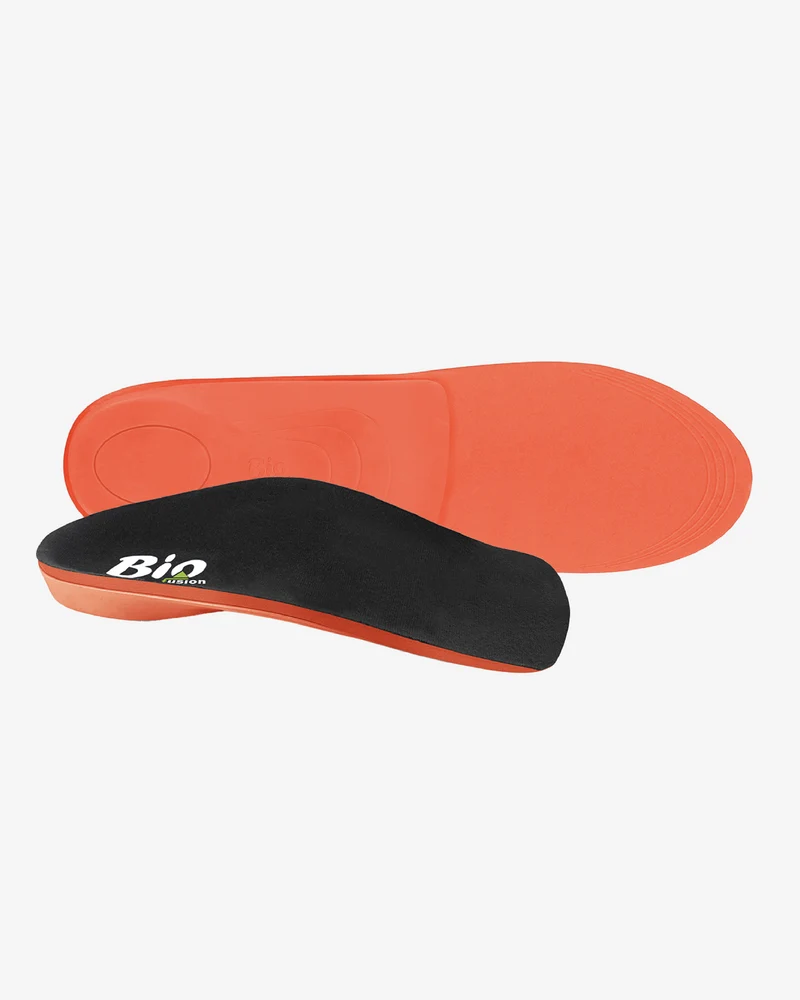
Orthotics
Improve load distribution, support or guide foot motion, and reduce strain through the ankle, knee and hip. See our orthotic options.
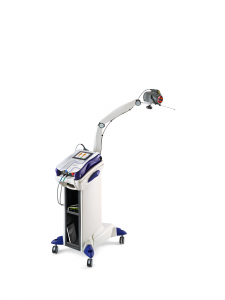
MLS & MiS laser
Reduces pain and inflammation and speeds tissue healing, often used alongside other tools for tendon and joint problems. Read about MLS & MiS laser.

Footwear advice
The right shoe for your foot and activity can reduce strain as much as, or more than, an orthotic. We review your current footwear and suggest changes where they would help.
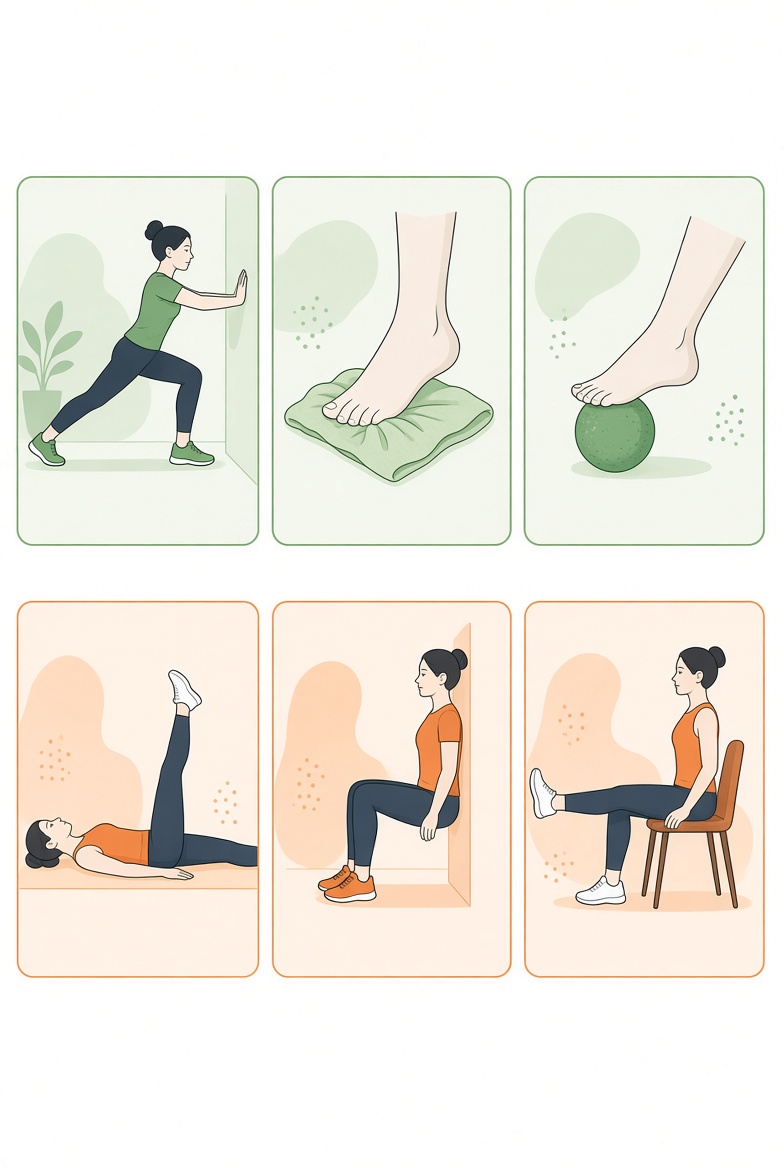
Exercise & load management
Strengthening and stretching build the tissue’s own capacity to cope with load, while managing how much you do, and how quickly you increase it, reduces the strain in the meantime.
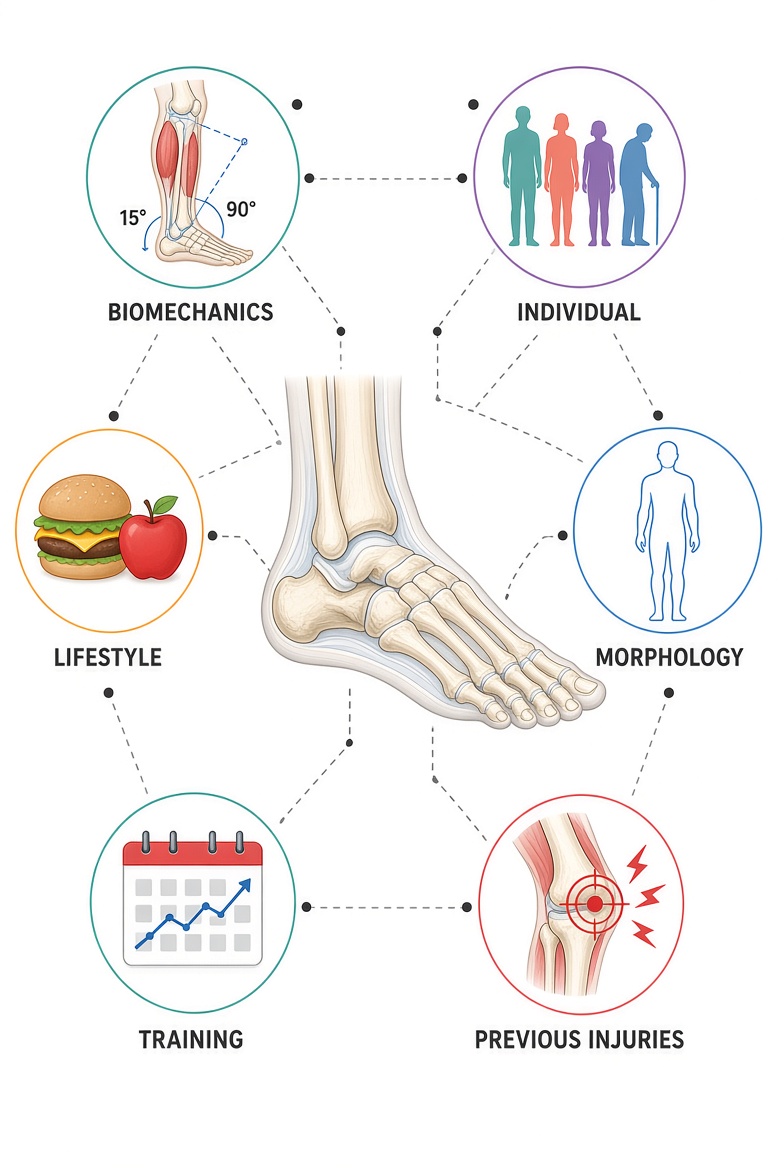
Activity modification
We look at the bigger picture: your lifestyle and diet, previous injuries, training, goals and body type, alongside your current activity, and work out what needs to change to reduce strain. For runners, this can include gait analysis with RunScribe.
Where it helps, we also use strapping and taping for short-term offloading, padding for areas of pressure, manual therapy and joint mobilisation, and weight and lifestyle guidance. Shockwave therapy can suit certain tendon and fascia problems. We do not provide it ourselves, but we can refer you on if we think it would help.
Orthotic options
Not everyone needs an orthotic, and not everyone needs a fully custom device. The appropriate option depends on the condition, its duration, your activity level and the demands placed on your feet. Your footwear and lifestyle will affect the choices we make, and footwear choices have become far better, with more choice (and more complicated), in recent years.
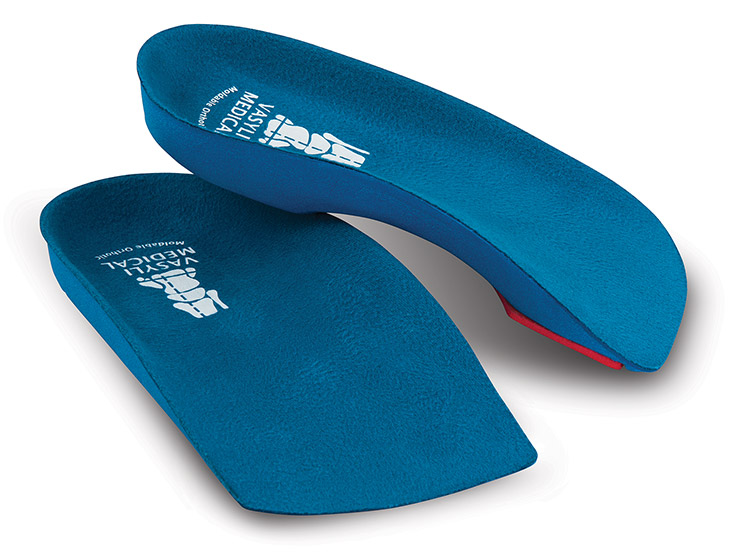
Prefabricated orthotics: from £85
High-quality, medical-grade devices available in different sizes and profiles. They can be heat-moulded and modified in clinic. We keep a range in stock, including Bio Fusion and Vasyli devices.
Suitable for:
- Mild to moderate mechanical overload
- Early or shorter-term conditions
- Growing children
- Patients wishing to trial orthotic therapy, or where the outcome is uncertain
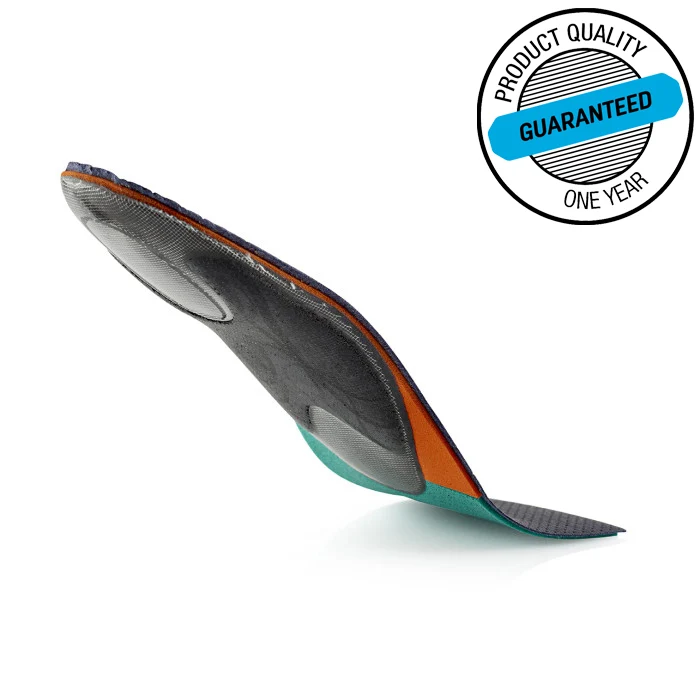
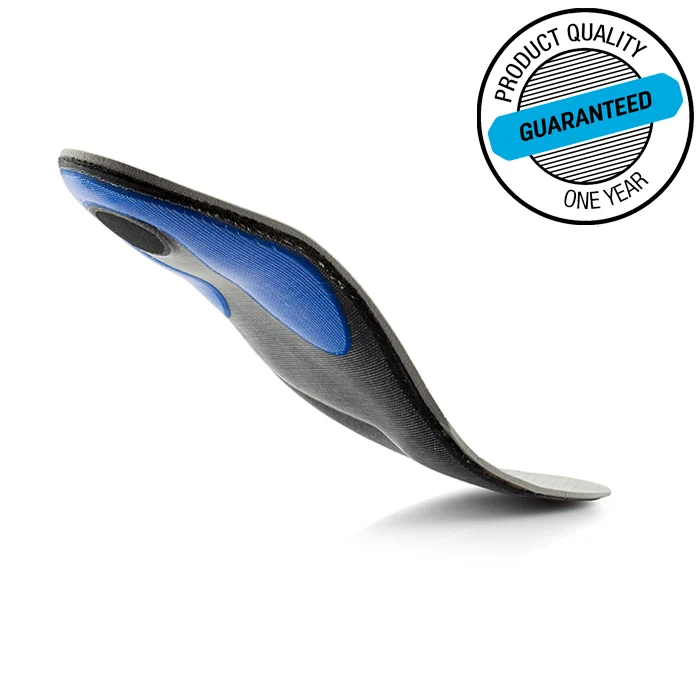
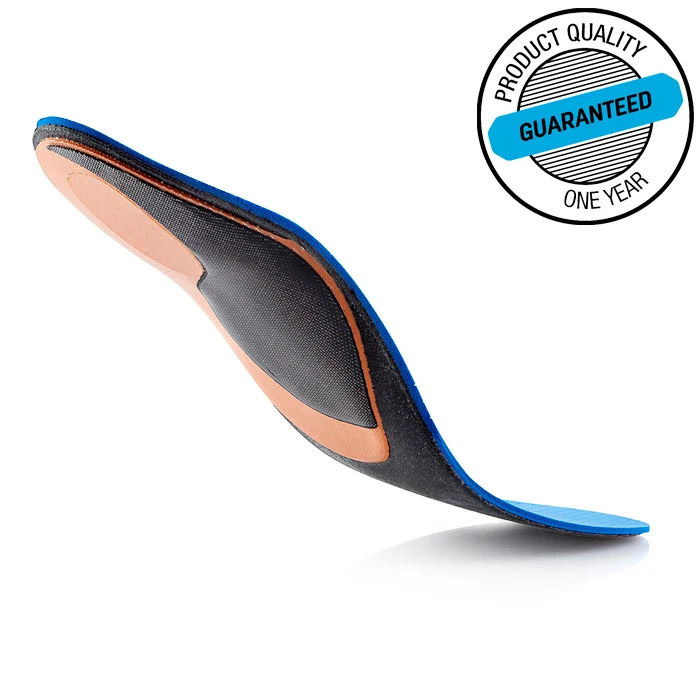
Semi-custom orthotics: from £200
Lab-manufactured devices made to prescription from a structured range of shell designs, from Podiatech, usually ready within two days.
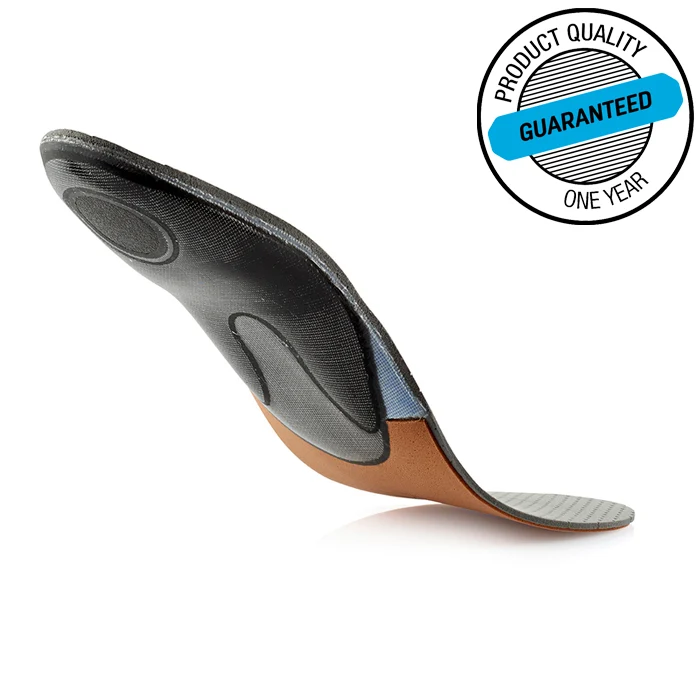
Allowing:
- Specific arch contour selection
- Defined rearfoot and forefoot control, and forefoot offloading
- Choice of material stiffness
- Asymmetry between the two feet where needed
- Condition-specific modifications and orthotic choices
Fully custom orthotics: from £350–£400
Manufactured from a cast or 3D scan of your foot, usually ready within approximately two weeks. We use Firefly for fully custom, 3D-printed devices.

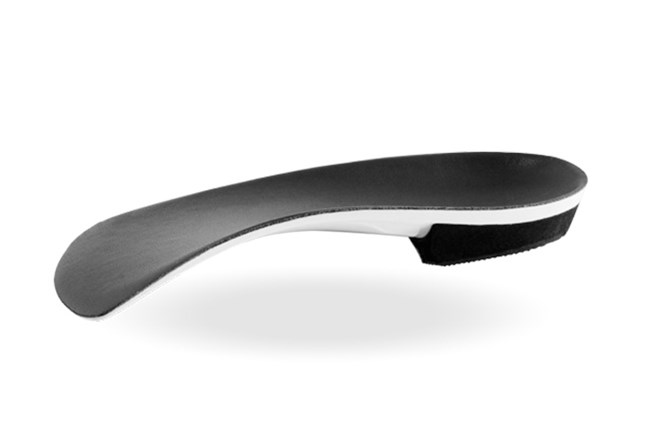
Typically reserved for:
- Significant structural deformity
- Marked asymmetry
- Complex or long-standing pathology
- High-demand occupational or sporting requirements
- Cases where other devices have not been successful
Design philosophy
Our approach is proportional. We start with the simplest effective option. Many patients do very well with a carefully selected prefabricated device. Others benefit from more structured prescription control. Orthotics are selected based on the nature and duration of the problem, your age and activity level, work and sport demands, footwear compatibility, and your long-term goals.
Fitting & follow-up
We keep many prefabricated orthotics in stock, with the materials to adjust and personalise them in clinic, and can usually supply these at your appointment or within a couple of days. Semi-custom orthotics are usually ready within 2–3 days, based on current laboratory turnaround times. Fully custom orthotics, made from a mould of your foot, are usually ready within approximately two weeks.
At your fitting appointment, the device is checked against your feet and footwear, adjustments are made if required, and you will be given clear break-in guidance. Wear typically begins at around one hour a day and increases gradually; you should be comfortable wearing it all day before wearing it for sport. If you work from home, or do not wear shoes in the house, you will need to for the orthotic to help. Follow-up is arranged if needed, and if the device is not comfortable within two or three weeks, we will review and adjust it.
We allow six weeks of comfortable use before symptoms should ease, but this will be condition-dependent and discussed at your appointment.
Gait analysis for runners and athletes
For runners and other athletes, we can add RunScribe gait analysis to your assessment: a small wearable sensor that clips to your running shoe and measures your gait while you actually run, including cadence, pronation, footstrike, symmetry and impact shock through each leg.
What a RunScribe report looks like
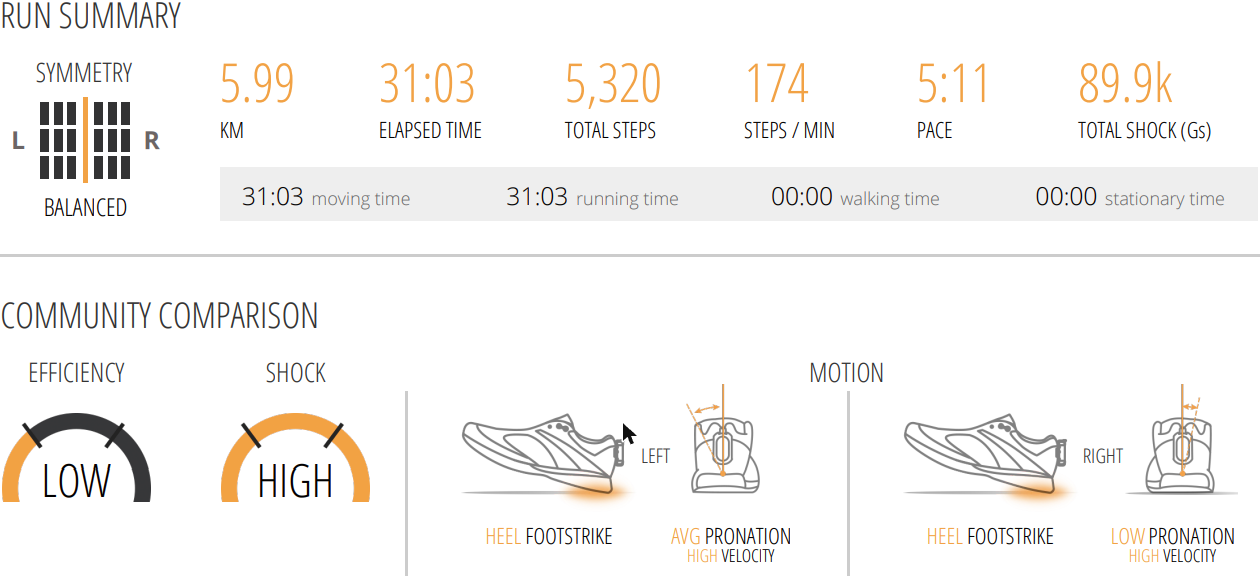
Ask us at your assessment whether RunScribe is right for you.
When we would refer you on
Sometimes the right answer is further investigation or specialist input. We may refer you to a consultant, or for imaging, if:
- Your symptoms are not improving as expected: if a full course of conservative treatment has not produced the improvement we expected, we look further.
- We suspect a structural injury: such as a tendon tear, stress fracture or significant ligament damage, which need imaging (an X-ray, ultrasound or MRI) to confirm.
- Nerve-related symptoms are prominent: significant numbness, pins and needles or altered sensation may need nerve conduction studies or a neurology review.
- A consultant-led option may help: for example advanced hallux rigidus or severe osteoarthritis, which may need a surgical opinion. We will be straightforward with you if we think so.
- Something is outside our scope: including any suspicious lesion, unexplained swelling, or symptoms that may suggest an underlying systemic condition.
We work closely with orthopaedic consultants, rheumatologists, musculoskeletal radiologists and vascular specialists in the region, and will make sure any onward referral is handled promptly with a clear clinical summary.
Frequently asked questions
What is tissue stress theory?
Do you treat runners specifically?
What conditions do you see?
How much does an orthotic cost?
How long will it take to get my orthotic?
How long before my symptoms improve?
Ready to book?
Musculoskeletal podiatry assessment with A&A Podiatrists, 9 Station Road, Radlett.
Foot, knee and leg pain assessment
First consultation for this condition (£120, 45 min) Follow-up or orthotics review (£80, 30 min) Urgent foot pain or MSK appointment (£120, 30 min) Orthotics adjustment or tweak, if needed (15 min)
Also see: MLS & MiS laser therapy · physiotherapy